
Availability accuracy
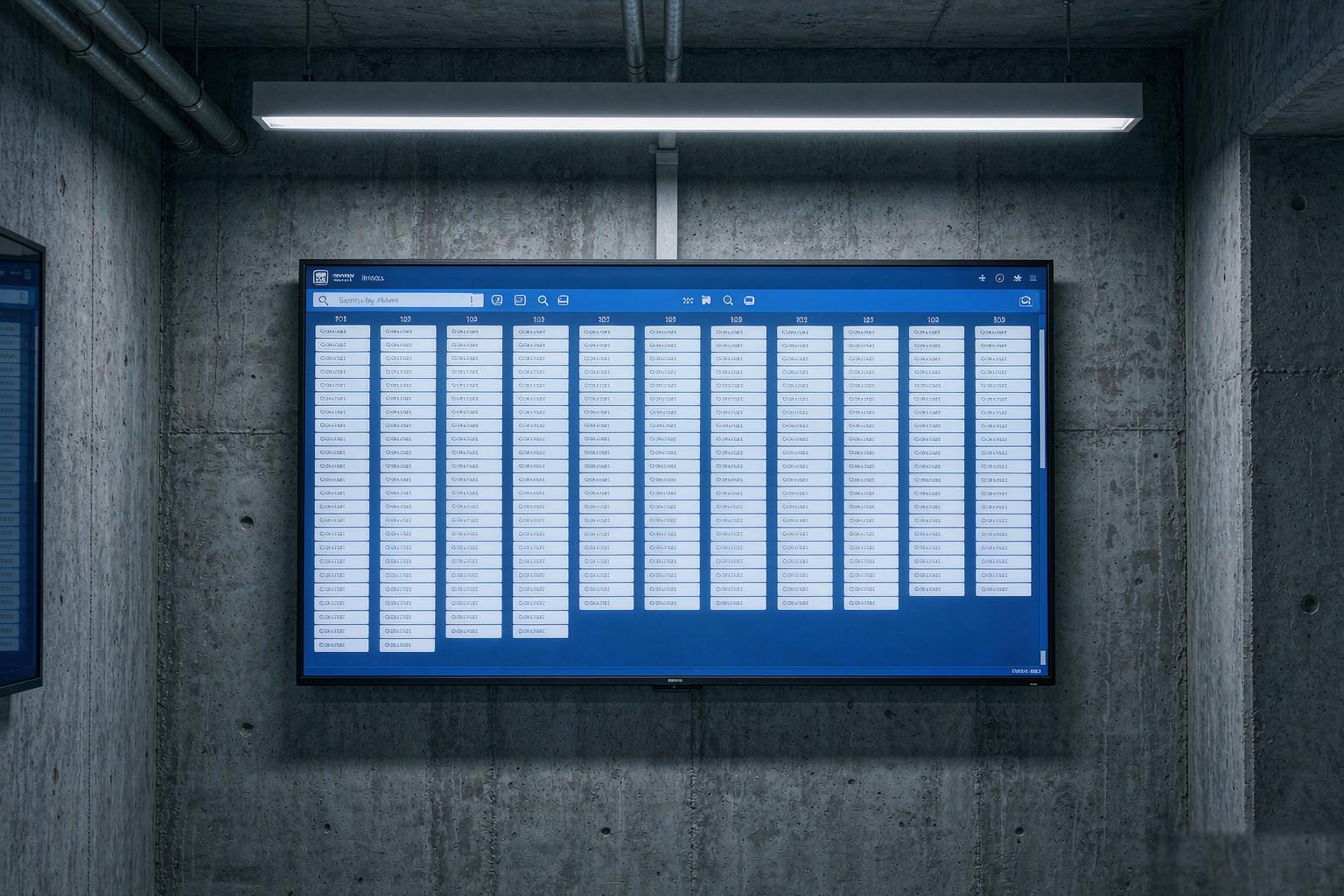
Whether the room inventory matches what is actually sellable, across the property’s own system and every channel it distributes through. Reviewed by comparing records at the same point in time and checking them against recent bookings.
- Inventory reconciled against actual rooms
- Channel and direct availability compared
- Allocation and minimum-stay rules checked
- Instances of overbooking and late gaps recorded
Rate structure
Whether the prices on offer reflect how demand moves through the year, and whether they are reviewed often enough to stay relevant. Reviewed against the property’s own rate history and comparable local properties.
- Season map reviewed against historical demand
- Price bands compared with comparable properties
- Review intervals checked for gaps
- Discounts and packages reviewed for consistency
Occupancy by room type
How each room type performs across the year, including the periods that repeatedly run quiet. Reviewed by period rather than as a single annual average, because an annual figure hides the weeks that decide the year.
- Occupancy reviewed by room type and period
- Quiet periods identified in advance
- Local events and demand drivers mapped
- Progress tracked against agreed targets

Booking performance
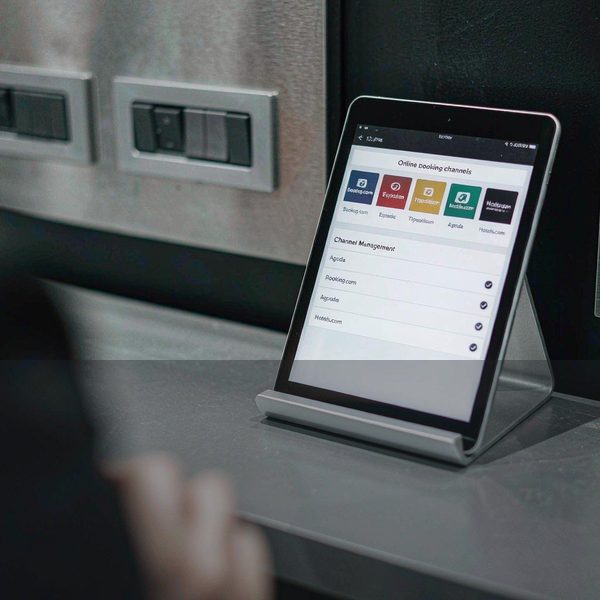
How bookings are won and lost across the channels a property already uses, including cancellations and no-shows. Reviewed channel by channel so the picture is not distorted by one strong route.
- Performance compared across booking channels
- Points where bookings are lost identified
- Cancellation and no-show patterns reviewed
- Practical changes agreed for the next period

Operational consistency
Whether day-to-day routines and service standards hold steady, and whether they depend on one person knowing them. Reviewed with the team that runs the operation.
- Operating routines documented and checked
- Service standards and turnaround times agreed
- Handover points between teams reviewed
- A written review cycle built into the routine